
 EN
EN
Understanding COB Technology and Why Your Cabinet Choice Matters
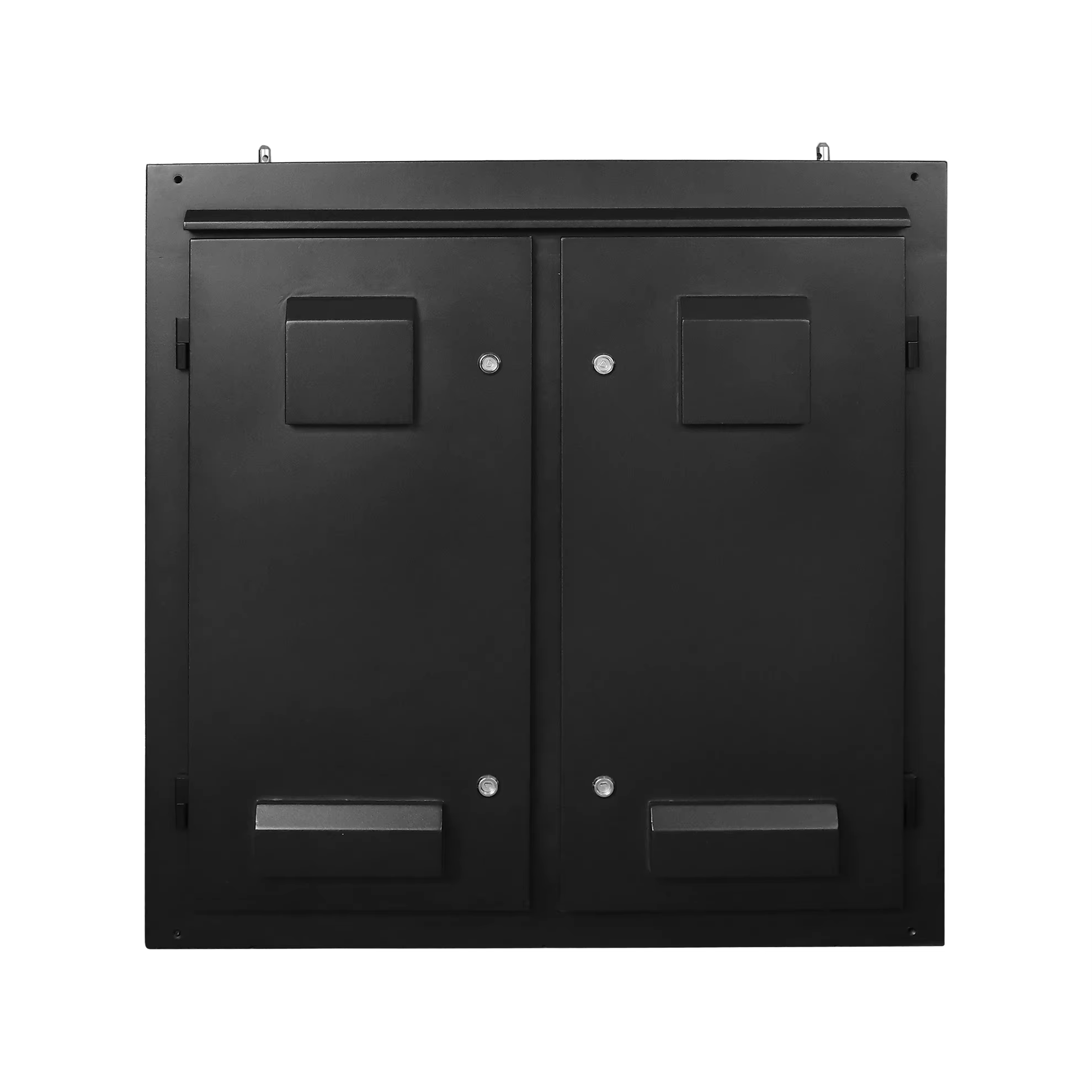
Chip-on-Board, or COB, has reshaped the small-pitch LED display market by eliminating the individual SMD LED packages in favor of LED chips bonded directly to the PCB substrate and encapsulated as a single continuous surface. When this COB module is integrated into a precision-engineered enclosure, the result is a cob small-pitch cabinet that delivers a fundamentally different viewing experience from traditional SMD displays. The differences extend beyond visual performance into durability, maintenance requirements, and installation flexibility, all of which have direct implications for procurement decisions. This article explains the key benefits of COB small-pitch cabinet technology, the cabinet design factors that maximize those benefits, and the applications where COB cabinets offer the strongest return on investment.
Superior Visual Performance and Surface Uniformity
The most immediate benefit of a cob small-pitch cabinet is its visual seamlessness at the module level. In an SMD display, each LED package is individually soldered to the board, creating a surface with thousands of tiny raised components that scatter ambient light and produce a distinctive granular texture when viewed up close. COB technology encapsulates all LED chips beneath a continuous layer of optical epoxy, resulting in a smooth, matte surface that virtually eliminates the pixelation effect. This matters most in applications where viewers stand within arm's reach of the screen, such as corporate lobbies, high-end retail displays, and broadcast studio backgrounds. The cabinet itself amplifies this advantage. Because COB modules have a flat, uniform surface across their entire face, the cabinet's edge-to-edge flatness tolerance becomes the sole determinant of visible seams in a multi-cabinet array. A well-designed cob small-pitch cabinet with a flatness of 0.2 mm or better can produce a video wall where the seams between cabinets are as invisible as the seams between individual modules.
Enhanced Protection Against Environmental Factors
COB encapsulation provides inherent protection that individual SMD packages cannot match. The continuous epoxy layer seals the LED chips against moisture, dust, and physical contact, effectively creating an IP54 or higher level of front-surface protection without the need for additional covers or gaskets. For a cob small-pitch cabinet, this means the display can operate reliably in environments that would be challenging for conventional SMD displays, such as high-humidity coastal regions, dust-prone industrial settings, or interactive touch applications where the screen surface must withstand frequent physical contact. The cabinet design must complement this protection by ensuring that the rear and sides of the enclosure are similarly sealed. Look for cabinet designs with integrated gaskets at all seams and cable entry points, and verify that the overall cabinet assembly achieves at least the same IP rating as the COB module face. This dual-layer protection, module encapsulation combined with cabinet sealing, creates a display system that significantly reduces long-term maintenance costs compared to SMD alternatives.
Improved Thermal Management and Longevity
Heat is the primary enemy of LED lifespan, and COB technology addresses this at the source. In a COB module, LED chips are bonded directly to the PCB with no air gap between the chip and the substrate, creating a direct thermal path that conducts heat away from the junction more efficiently than the air gap inherent in SMD packages. When integrated into an aluminum die-cast cabinet, the PCB is further thermally coupled to the cabinet frame, turning the entire enclosure into a large passive heat sink. A well-engineered cob small-pitch cabinet can maintain LED junction temperatures 5 to 10 degrees Celsius lower than an equivalent SMD display operating at the same brightness, directly translating to longer operational life and better brightness retention over time. For installation scenarios where the display runs 12 to 24 hours per day, such as control rooms and broadcast environments, this thermal advantage alone can justify the incremental cost of COB technology.
A Practical Installation Comparison
An AV integrator serving a financial trading floor client needed to replace a legacy rear-projection video wall with a seamless LED solution. The trading floor environment presented two specific challenges: the display would run continuously for approximately 20 hours daily, and the installation location had limited HVAC airflow directly at the wall surface. The integrator initially proposed an SMD small-pitch solution but calculated that thermal stress from the continuous operating schedule would degrade the modules to below the client's brightness uniformity threshold within three years. By switching to a cob small-pitch cabinet solution with die-cast aluminum construction, the integrator was able to demonstrate through thermal simulation that LED junction temperatures would remain within the manufacturer's recommended range even during peak summer cooling conditions. The COB cabinets also eliminated the risk of individual LED failures creating visible dark spots, a known issue with SMD displays under sustained high-duty cycles. Two years post-installation, the trading floor display showed no measurable brightness degradation and zero dead pixels across the entire video wall, meeting the client's demanding operational requirements.
Reduced Maintenance and Lower Total Cost of Ownership
A cob small-pitch cabinet typically requires less maintenance over its service life than an SMD alternative for two reasons. First, COB modules have no exposed LED leads or solder joints on the front surface, dramatically reducing the risk of damage during cleaning or incidental contact. Second, the encapsulation layer provides natural anti-static protection, reducing the attraction of dust particles that can accumulate between SMD LED packages and require periodic cleaning to maintain brightness uniformity. The financial case for COB becomes stronger when total cost of ownership is calculated over a five to seven year operational window. While the upfront cabinet and module cost is typically higher than SMD, the combination of lower maintenance labor, reduced module replacement rate, better brightness retention, and fewer cleaning cycles can narrow or even reverse the total cost advantage in high-utilization scenarios.
Frequently Asked Questions
What is the typical lifespan difference between COB and SMD small-pitch cabinets?
COB modules in a well-designed aluminum cabinet typically retain brightness above 80 percent of their initial specification for 60,000 to 100,000 hours of operation, compared to 50,000 to 80,000 hours for quality SMD modules under similar conditions. The actual service life depends heavily on operating brightness settings, ambient temperature, and cabinet thermal design rather than the LED technology alone.
Are COB small-pitch cabinets compatible with existing LED video wall processors?
Yes, COB modules interface with standard LED receiving cards and video processors using the same signal protocols as SMD displays. The cabinet's receiving card slot and power supply mounting are standardized, meaning a cob small-pitch cabinet can integrate into existing video wall infrastructure without processor replacement, provided the pixel pitch and resolution configuration are compatible.
What applications benefit most from COB small-pitch cabinet technology?
Applications with high daily operating hours, close viewing distances, and exposure to environmental factors benefit most. These include 24/7 control rooms, broadcast studio backgrounds, high-end corporate lobbies, museum and gallery installations, and interactive touch displays. For applications with intermittent use and long viewing distances, the premium of COB over SMD may be harder to justify in terms of total cost of ownership.
Table of Contents
- Understanding COB Technology and Why Your Cabinet Choice Matters
- Superior Visual Performance and Surface Uniformity
- Enhanced Protection Against Environmental Factors
- Improved Thermal Management and Longevity
- A Practical Installation Comparison
- Reduced Maintenance and Lower Total Cost of Ownership
- Frequently Asked Questions