
 EN
EN
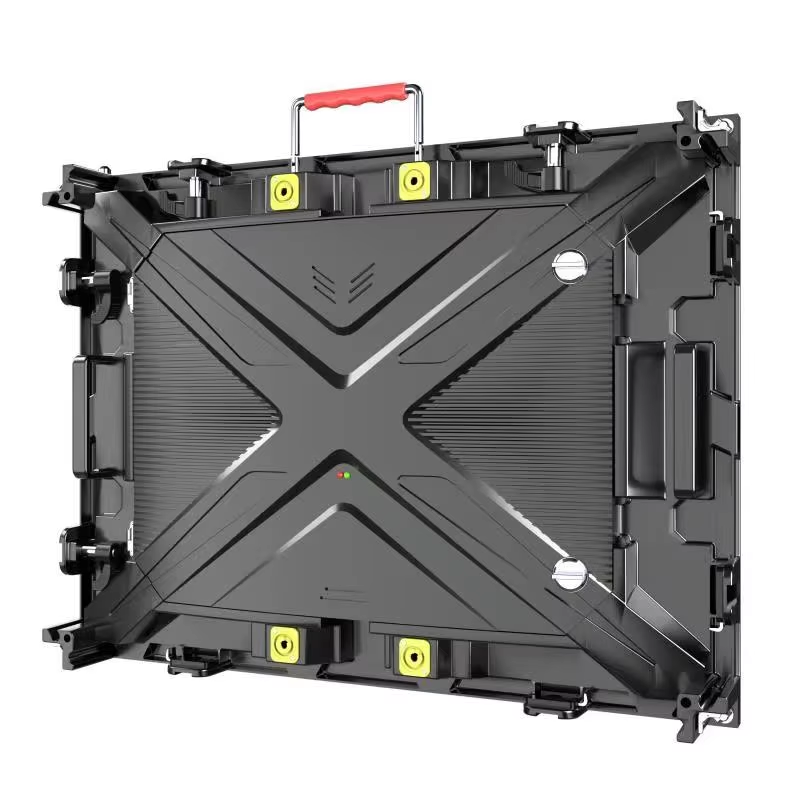
LED Cabinet Wholesale Cost Savings: Beyond Unit Price
Volume-Based Pricing and Elimination of Distributor Markups
Purchasing LED cabinets wholesale unlocks significant volume-based discounts unavailable through retail channels. Manufacturers use tiered pricing—larger orders reduce the per-unit cost substantially. More critically, buying directly from the factory eliminates distributor and reseller markups, which typically inflate final prices by 20–40%. This direct procurement model ensures you pay only for raw materials, manufacturing, and shipping—not layered margins. For commercial DOOH projects requiring hundreds of cabinets, these savings compound rapidly. Volume orders often include complimentary customization—such as tailored connector types or mounting brackets—further enhancing value without added cost.
True ROI: Energy Efficiency, Lifespan, and Maintenance Savings Over 5+ Years
The true return on investment emerges over time—not at checkout. Modern LED cabinets consume up to 50% less power than legacy display technologies, delivering measurable electricity savings across a standard five-year deployment. With lifespans exceeding 100,000 hours, replacements become rare, minimizing downtime and capital reinvestment. Lower heat output also reduces strain on internal components and cuts HVAC load in indoor environments. Modular designs enable rapid single-cabinet swaps—no full-screen teardown—reducing labor costs and service delays. When energy use, maintenance frequency, and longevity are modeled together, total cost of ownership (TCO) can be 30–40% lower than alternatives. That makes wholesale procurement not just cheaper upfront—but financially superior over the system’s lifetime.
LED Cabinet Wholesale Procurement Control: Quality, Warranty, and Lead Time
Direct Manufacturer Access: Shorter Lead Times and Customization Flexibility
Buying LED cabinets wholesale directly from the manufacturer removes distribution layers—and with them, delays and inflexibility. You gain direct input on specifications: pixel pitch, brightness, cabinet dimensions, and mounting configurations can all be adjusted to match project requirements. Lead times shrink significantly—often from weeks to days—since orders bypass distributor inventory checks and re-warehousing. Factory-direct communication enables pre-production sampling and real-time quality validation before mass production begins. This transparency minimizes mismatched units and installation surprises. Shorter timelines also reduce inventory holding costs and improve supply chain responsiveness. Customization shifts from a costly exception to an integrated, scalable part of procurement.
Manufacturer Warranty & Support: Why SRYLED’s 3–5 Year Coverage Reduces Long-Term Risk
A strong warranty is a non-negotiable indicator of product confidence—and a critical risk-mitigation tool. SRYLED provides 3- to 5-year comprehensive coverage on LEDs and drivers, covering both parts and labor. This eliminates unplanned repair expenses and protects against extended downtime. Unlike limited or voidable warranties tied to third-party installers, direct manufacturer support delivers faster module replacements and, where needed, on-site technical assistance. Without such coverage, even minor failures can trigger cascading costs—from labor to lost ad revenue in DOOH deployments. Extended warranty terms also simplify long-term budgeting, aligning financial planning with expected operational life.
LED Cabinet Construction and Application Fit for Commercial DOOH
Aluminum vs. Steel vs. Die-Cast: Durability, Weight, and Thermal Performance Trade-Offs
Cabinet material selection shapes performance, longevity, and total cost—not just aesthetics. Aluminum offers the lightest weight (15–20 kg/m²), streamlining transport and simplifying wall-mounting for indoor retail, corporate lobbies, and temporary installations. Steel provides maximum structural rigidity and weather resistance—ideal for permanent outdoor DOOH deployments facing high winds, temperature extremes, or physical impact. Die-cast magnesium alloy balances weight and thermal management: nearly as light as aluminum but with superior heat dissipation, making it optimal for high-brightness, 24/7 outdoor applications where thermal stress shortens LED life. While die-cast carries a higher initial cost, its thermal advantages extend module lifespan and reduce long-term replacement frequency. Availability also differs: standardized aluminum and steel cabinets ship quickly; custom die-cast molds may extend lead times by several weeks.
Operational Impact: Installation, Logistics, and Total Cost of Ownership
Logistics and installation logistics carry substantial hidden costs that directly affect TCO. Import duties, freight insurance, inland transportation, and customs clearance can add 10–20% to landed costs—especially for international wholesale orders. For large-scale DOOH rollouts, ongoing spare-part availability further influences uptime and service efficiency. Strategic logistics planning—such as consolidated shipments, regional warehousing, or vendor-managed inventory—lowers these overheads. When modeled holistically, operational expenses—including energy, maintenance, spares, and logistics—often surpass the initial cabinet purchase price within the first two to three years. That’s why smart wholesale buyers evaluate suppliers not just on unit cost, but on their ability to integrate seamlessly into end-to-end project execution—from factory floor to final pixel.
FAQ
-
What is the primary benefit of buying LED cabinets wholesale?
Purchasing wholesale allows businesses to leverage volume-based discounts, eliminate distributor markups, and customize products directly from manufacturers for better pricing and specifications. -
How do LED cabinets save on energy costs?
Modern LED cabinets consume significantly less power compared to older technologies, reducing electricity expenses over their operational lifespan. -
What hidden costs should buyers consider?
Logistics costs like import duties, freight insurance, and customs clearance can significantly increase the total cost of ownership, often exceeding the initial purchase price within a few years.